
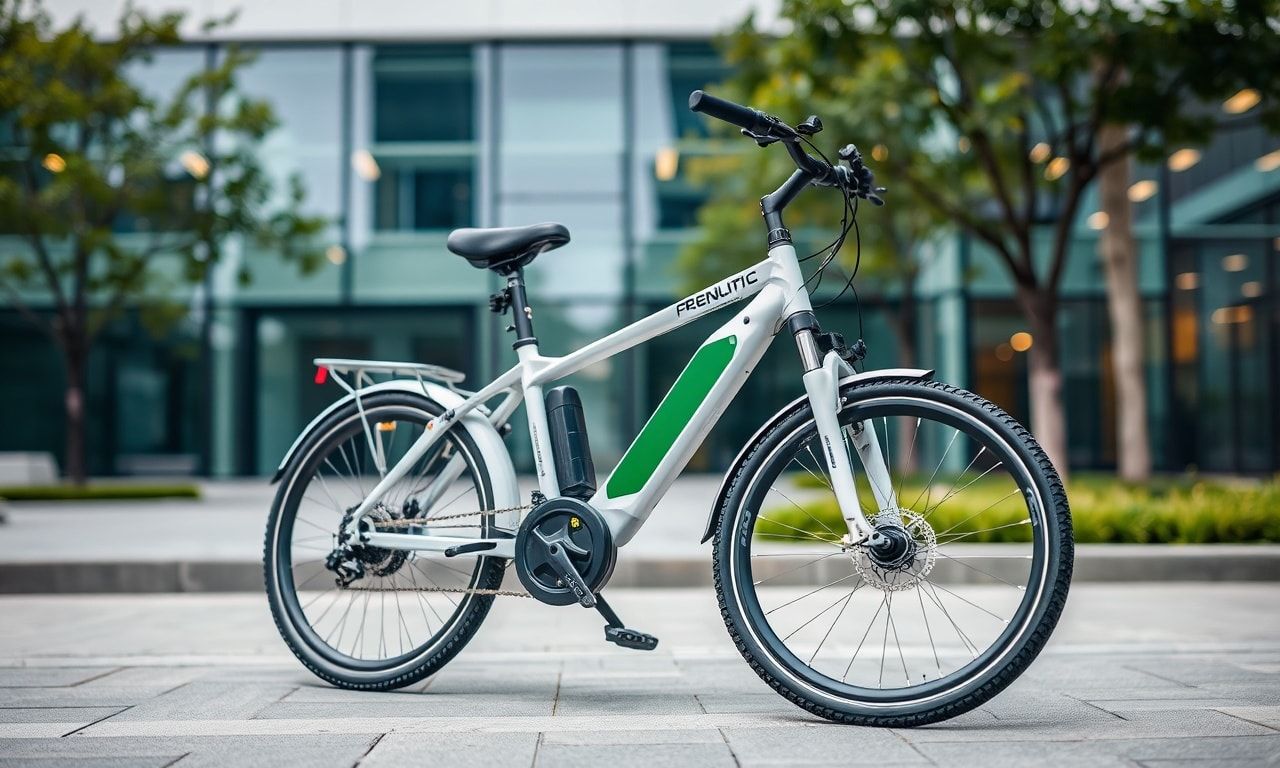
The Rise of Electric Bikes in the Corporate Sector
The corporate world is witnessing a significant shift towards sustainable and efficient commuting options. Among the forefront of this change are electric bikes, which offer a blend of eco-friendliness, cost-effectiveness, and health benefits. As businesses increasingly prioritize sustainability and employee well-being, electric bikes are becoming a popular choice for corporate commuting.
Benefits of Electric Bikes for Businesses
Electric bikes present numerous advantages for both employers and employees. For businesses, promoting the use of electric bikes can enhance their corporate social responsibility (CSR) initiatives, reduce carbon footprints, and potentially lower parking costs. Employees, on the other hand, benefit from reduced commuting expenses, improved physical health, and decreased stress levels.
Cost-Effectiveness
One of the most compelling reasons for businesses to encourage the use of electric bikes is their cost-effectiveness. Compared to traditional vehicles, electric bikes have lower maintenance costs, reduced fuel expenses, and minimal parking requirements. This can translate to significant savings for both the company and its employees.
Environmental Impact
Electric bikes produce zero emissions, making them an environmentally friendly alternative to conventional modes of transportation. By promoting the use of electric bikes, businesses can significantly reduce their carbon footprint and contribute to a healthier planet. This aligns with the growing trend of sustainability in the corporate world.
Integrating Electric Bikes into Corporate Culture
To successfully integrate electric bikes into the corporate culture, businesses need to create supportive policies and infrastructure. This includes providing secure bike parking, offering incentives for employees who choose to commute via electric bikes, and educating staff on the benefits and proper use of these vehicles.
Incentive Programs
Companies can implement various incentive programs to encourage the adoption of electric bikes. These may include subsidies for purchasing electric bikes, reimbursement for maintenance costs, or even organized group rides to promote a sense of community among employees. Such initiatives not only foster a culture of sustainability but also boost employee morale and engagement.
Infrastructure and Support
Having the right infrastructure is crucial for the successful integration of electric bikes into the corporate environment. Businesses should invest in secure bike storage facilities, charging stations, and shower facilities for employees who commute via electric bikes. Additionally, providing access to top-rated electric bikes for long-distance travel in 2026 can ensure that employees have reliable and high-quality options for their daily commute.
Case Studies: Successful Implementation
Several companies have already successfully integrated electric bikes into their corporate culture, serving as inspiring examples for others to follow. For instance, a tech company in Silicon Valley implemented an electric bike-sharing program for its employees, resulting in a 30% reduction in carbon emissions and a significant increase in employee satisfaction.
Employee Testimonials
Employee feedback plays a vital role in understanding the impact of electric bike programs. Many employees report feeling healthier, more energized, and less stressed since switching to electric bikes for their daily commute. Additionally, the sense of community fostered by group rides and shared experiences has positively influenced workplace dynamics.
Challenges and Solutions
While the benefits of electric bikes are clear, there are also challenges to their widespread adoption in the corporate world. These include initial costs, resistance to change, and the need for adequate infrastructure. However, with strategic planning and a commitment to sustainability, businesses can overcome these obstacles.
Overcoming Resistance
Resistance to change is a common hurdle in any organizational shift. To address this, businesses should communicate the benefits of electric bikes clearly and involve employees in the decision-making process. Providing trial periods and offering support during the transition can also help alleviate concerns and build enthusiasm.
Investing in Infrastructure
Investing in the necessary infrastructure is essential for the successful adoption of electric bikes. This includes not only secure parking and charging stations but also educational programs to ensure employees are well-informed and comfortable using electric bikes. By making these investments, businesses can create a supportive environment that encourages the use of electric bikes.
Conclusion
The future of sustainable commuting in the corporate world lies in the adoption of electric bikes. With their numerous benefits, including cost-effectiveness, environmental impact, and health advantages, electric bikes offer a viable solution for businesses looking to enhance their sustainability efforts. By integrating electric bikes into their corporate culture and overcoming potential challenges, companies can pave the way for a greener, healthier, and more efficient future.
As the entrepreneurial landscape evolves, innovative transportation solutions like electric bikes are gaining traction; explore how this trend is unfolding in Bangladesh with electric bikes in Bangladesh.
As businesses strive to reduce their environmental impact, understanding sustainable mobility solutions for enterprises can be a game-changer in today’s corporate world.
As businesses increasingly prioritize sustainability and efficiency, electric bikes in corporate mobility offers a compelling look at how e-bikes can transform company transportation strategies.