The Evolution of Agricultural Business
The agricultural sector, often perceived as traditional and slow-moving, is undergoing a significant transformation driven by technological advancements. This evolution presents a plethora of opportunities for entrepreneurs, startups, and established corporations to innovate and create value. The integration of technology in agriculture is not just about increasing productivity; it’s about redefining the entire value chain from farm to table.
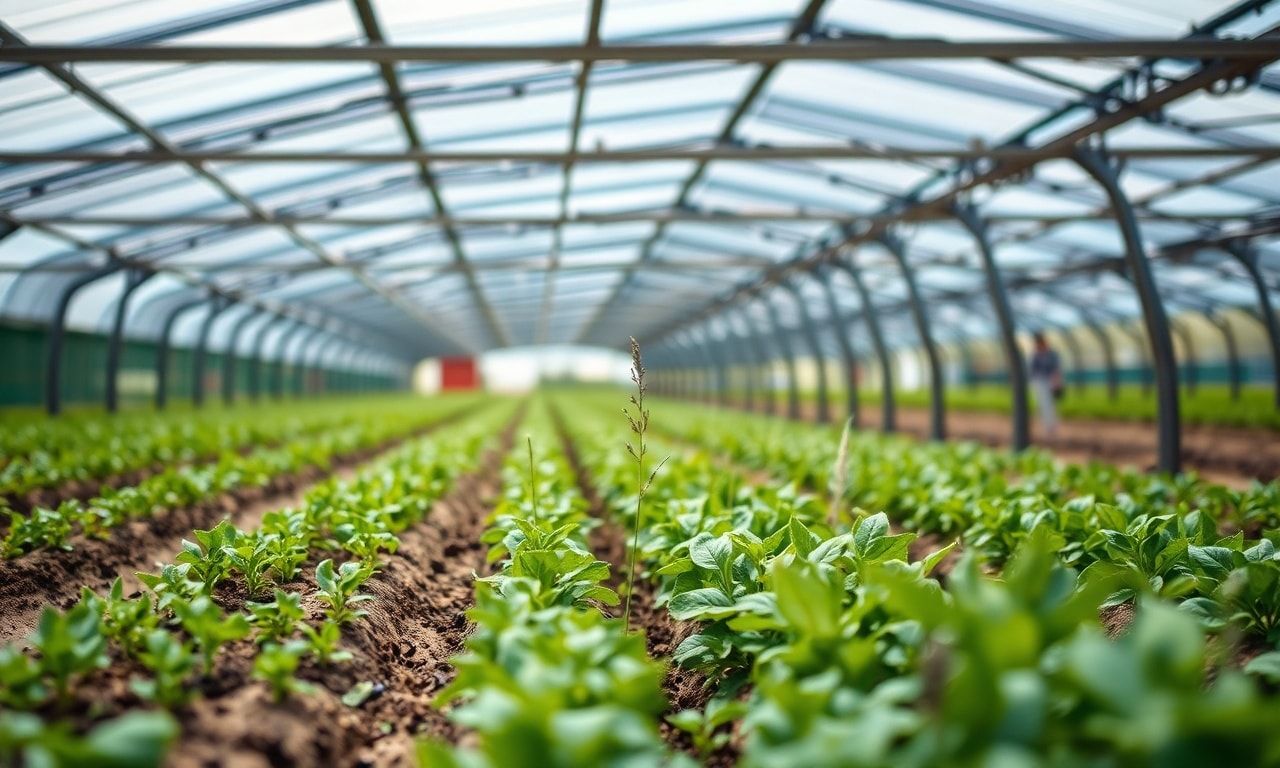
Modern agricultural businesses are leveraging data analytics, Internet of Things (IoT) devices, and artificial intelligence (AI) to optimize operations. These technologies enable precision farming, which involves the use of GPS technology, sensors, and drones to monitor and manage crops more efficiently. The result is a more sustainable and profitable agricultural sector that can meet the growing global demand for food.
The Role of Technology in Modern Agriculture
Technology is revolutionizing every aspect of the agricultural sector. For instance, AI-powered systems can analyze satellite images and weather data to predict crop yields and identify potential issues before they become critical. This predictive capability allows farmers to make informed decisions and take preemptive actions, thereby reducing losses and increasing efficiency.
Additionally, IoT devices such as soil sensors and automated irrigation systems are becoming increasingly common. These devices provide real-time data on soil moisture, temperature, and nutrient levels, enabling farmers to optimize water usage and apply fertilizers more precisely. This not only improves crop yields but also promotes sustainable farming practices by reducing waste and environmental impact.
Data-Driven Decision Making
One of the most significant benefits of integrating technology into agriculture is the ability to make data-driven decisions. By collecting and analyzing data from various sources, farmers and agricultural businesses can gain valuable insights into their operations. This data can be used to identify trends, optimize resource allocation, and develop strategies for long-term growth.
For example, data analytics can help farmers determine the optimal planting and harvesting times, as well as identify the most profitable crops to grow based on market demand and weather conditions. This level of precision and foresight is crucial in an industry where margins can be tight and external factors such as weather and market fluctuations can have a significant impact on profitability.
Innovation in Agribusiness
The agricultural sector is also witnessing a surge in innovation, driven by startups and entrepreneurs who are leveraging technology to address long-standing challenges. From vertical farming to lab-grown meat, the possibilities are endless. These innovations not only have the potential to revolutionize the way we produce food but also to create new business opportunities and markets.
For instance, vertical farming involves growing crops in stacked layers, often in controlled environments such as warehouses or skyscrapers. This method uses significantly less water and land than traditional farming and can produce higher yields. It also allows for year-round production, regardless of weather conditions, making it a viable option for urban areas where space is limited.
The Importance of Staying Informed
In such a rapidly evolving sector, staying informed about the latest trends and developments is crucial for businesses to remain competitive. Keeping up with tarım sektörü haberleri güncel can provide valuable insights and help businesses identify new opportunities and potential challenges. Whether it’s through industry publications, conferences, or online forums, there are numerous resources available for those looking to stay ahead of the curve.
Moreover, collaborating with other stakeholders in the agricultural sector, such as researchers, policymakers, and technology providers, can foster innovation and drive collective progress. By sharing knowledge and resources, businesses can accelerate the development and adoption of new technologies, ultimately benefiting the entire sector.
The Future of Agricultural Business
The future of agricultural business is bright, with technology playing a central role in its evolution. As we move towards a more sustainable and efficient food production system, the integration of technology will be key to meeting the challenges and opportunities that lie ahead. For entrepreneurs, startups, and established corporations, this presents a unique opportunity to innovate and create value in a sector that is vital to the global economy.
In conclusion, the intersection of technology and agriculture is a new frontier for business, offering immense potential for growth and innovation. By embracing technology and staying informed about the latest trends, businesses can position themselves for success in this dynamic and ever-evolving sector.