
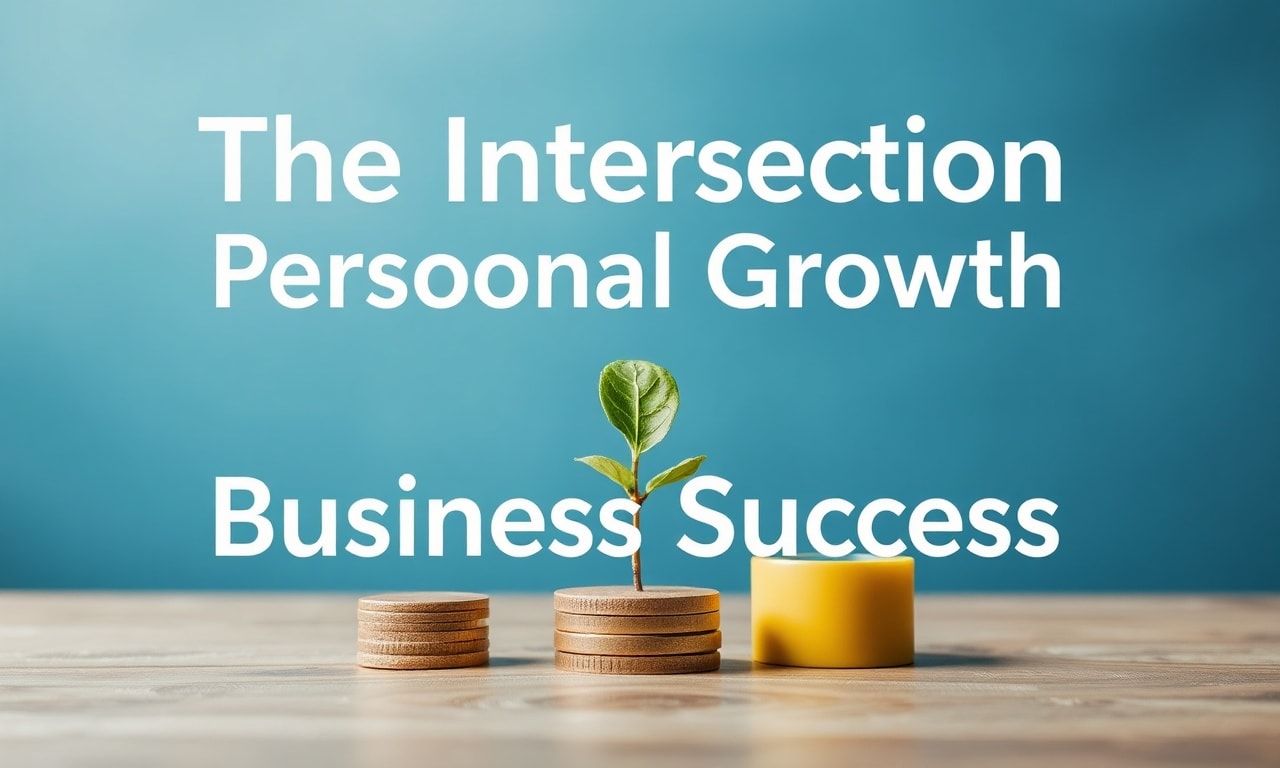
The Importance of Personal Growth in Business
In the fast-paced world of business, personal development often takes a backseat to immediate professional demands. However, the most successful entrepreneurs and corporate leaders understand that continuous self-improvement is a critical component of long-term success. Personal growth not only enhances individual performance but also fosters a culture of innovation and adaptability within an organization.
Entrepreneurs who invest in their personal development are better equipped to navigate the complexities of running a business. Whether it’s through formal education, mentorship, or self-directed learning, the pursuit of knowledge and skill enhancement can lead to more informed decision-making and strategic planning. This commitment to lifelong learning is a hallmark of successful business leaders.
Building a Culture of Continuous Improvement
Creating a workplace culture that values continuous improvement starts at the top. Leaders who prioritize personal development set a powerful example for their teams. Encouraging employees to seek out opportunities for growth, whether through training programs, workshops, or even lifestyle tips daily improvement resources, can lead to a more engaged and motivated workforce.
Incorporating personal development into the corporate culture can also enhance employee retention. When employees feel that their growth and development are valued, they are more likely to remain loyal to the organization. This not only reduces turnover costs but also fosters a more stable and experienced workforce.
Strategies for Personal and Professional Development
There are numerous strategies that entrepreneurs and business leaders can employ to foster personal and professional growth. Here are a few key approaches:
1. Set Clear Goals
Setting clear, achievable goals is a fundamental step in personal development. Whether these goals are related to skill acquisition, career advancement, or personal well-being, having a clear roadmap can help individuals stay focused and motivated. Regularly reviewing and adjusting these goals ensures that they remain relevant and aligned with both personal and professional aspirations.
2. Seek Mentorship and Networking Opportunities
Mentorship and networking are invaluable resources for personal and professional growth. Engaging with experienced mentors can provide guidance, support, and insights that are difficult to obtain through formal education alone. Networking, on the other hand, opens doors to new opportunities, collaborations, and perspectives that can enrich both personal and professional lives.
3. Embrace Technology and Online Learning
In today’s digital age, technology and online learning platforms offer unprecedented access to educational resources. From online courses and webinars to e-books and podcasts, there are countless ways to enhance knowledge and skills. Leveraging these tools can make personal development more accessible and convenient, allowing individuals to learn at their own pace and on their own schedule.
4. Prioritize Work-Life Balance
Achieving a healthy work-life balance is crucial for sustained personal and professional growth. Burnout and stress can hinder productivity and creativity, making it difficult to achieve long-term success. Prioritizing self-care, hobbies, and quality time with loved ones can help individuals maintain the energy and focus needed to excel in their careers.
The Role of Personal Development in Leadership
Effective leadership is built on a foundation of self-awareness, emotional intelligence, and continuous learning. Leaders who invest in their personal development are better equipped to inspire and motivate their teams. They are also more adept at handling challenges, making tough decisions, and fostering a positive work environment.
Personal development also enhances a leader’s ability to communicate effectively. Clear, concise, and empathetic communication is essential for building trust and collaboration within a team. Leaders who prioritize their personal growth are more likely to develop these critical communication skills, leading to better team dynamics and overall business performance.
Conclusion
The intersection of personal development and business success is undeniable. Entrepreneurs and corporate leaders who commit to continuous self-improvement are better positioned to achieve long-term success. By fostering a culture of growth and development, businesses can create a more engaged, motivated, and innovative workforce. Whether through goal-setting, mentorship, technology, or work-life balance, the pursuit of personal development is a powerful tool for both individual and organizational success.