Publish local events in the USA: a practical guide for startups
A startup editor explains what it means to publish local events in the USA, why it matters for growth, and how to do it efficiently for business audiences.

Many growing companies rely on local events to build credibility, attract customers, and create partnerships. This explainer clarifies what it means to publish local events in the USA, why it matters for a business strategy, and how to do it without wasting time. The goal is a clear process you can adapt to your product, market, and team bandwidth.
First, understand your objective and the venues that reach your target buyers. Local events can be anything from trade shows to community meetups, but they should align with your product narrative and revenue goals. You’ll measure success by qualified leads, partnerships, or demonstrations that move the business forward.
Finally, set a simple operational rhythm: plan, publish, follow up, and review. The framework helps teams coordinate messaging, calendar timing, and post-event sequencing across marketing, sales, and customer success.
- Publish local events in the USA with a clear audience focus and concrete goals.
- Choose formats that fit your audience, using consistent messaging across channels.
- Plan formats, pricing, and logistics with a simple risk-aware framework.
- Track engagement and follow up with a practical, repeatable cycle.
Define audience and goal
Start with the customer in mind. Identify who will attend and what problem your event solves. A clear objective helps you choose the right venue, format, and messaging. To reach local organizers, you should consider publish local events in the USA as part of your outreach strategy.
Map each goal to a concrete action, such as gathering signups, securing pilots, or generating press interest. This focus prevents scope creep and keeps the plan practical.
Coordinate with sales to forecast follow-up and a realistic pipeline impact. A simple target, like a handful of qualified conversations, makes success measurable.
- Know your buyer persona
- Set 1 measurable goal
- Plan post-event steps
- Align with sales workflow
Choose channels and timing
Choose channels that reach your audience without diluting your message. A local business summit may demand direct invitations and partner endorsements, while a community fair favors broad visibility.
Time your event alongside related business calendars to reduce competition for attention. Consider seasonality, budgeting cycles, and the cadence of your sales process.
Document a basic timeline, from invite design to post-event follow-up. A shared calendar keeps stakeholders aligned and avoids last-minute scrambles.
- Direct outreach to target groups
- Coordinate with partners
- Plan invitation and follow-up timing
- Maintain a shared calendar
Create a concise event story
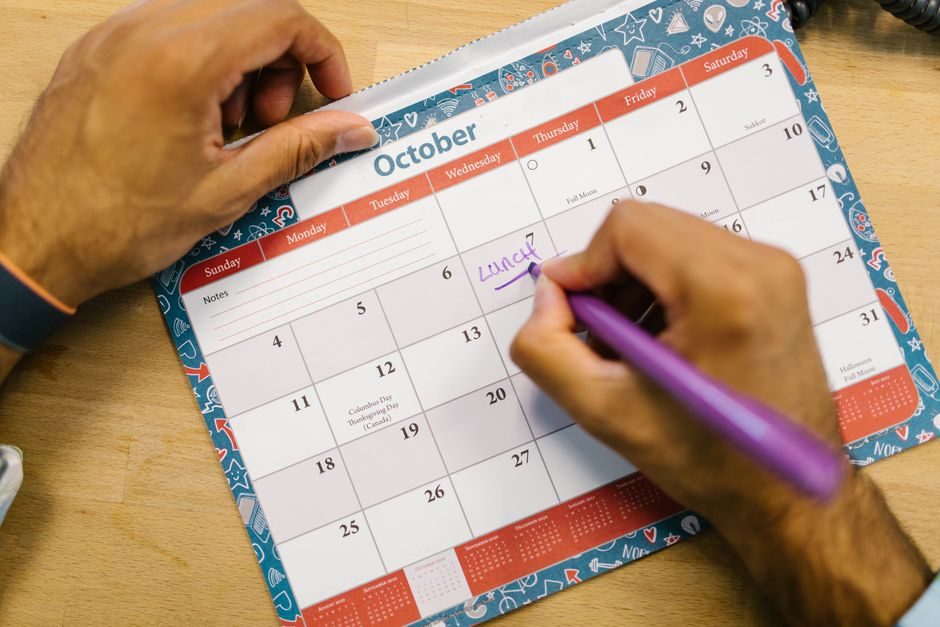
Craft a short narrative that explains what attendees gain. Focus on outcomes, demonstrations, or access to exclusive resources rather than broad branding. A crisp story helps every channel stay on message. If you want broad reach, seek exposure on platforms associated with the Online Gamer News website to attract a tech-savvy audience.
Develop 2-3 key talking points that can be used in emails, landing pages, and social posts. Consistency across channels reinforces credibility and reduces friction for potential attendees.
Use simple visuals that support the message, such as a clear hero image and a single call to action. Avoid clutter to keep attention on the value you offer.
Publish widely and track
Publish event details across the channels most used by your audience, including your site, newsletter, and partner networks. Each post should reference a single action: register, RSVP, or learn more.
Track performance with a simple dashboard: registrations, visits, and click-throughs. Prioritize channels that drive the most qualified engagement rather than vanity metrics.
Prepare a follow-up sequence for after registration, including calendar invites, reminders, and a thank-you note that nudges next steps.
Live in-person vs virtual
In-person events offer relationship-building that digital formats struggle to match, but they require more logistics and budget discipline. Weigh your audience’s preference and travel feasibility before choosing a format. Before listing services, consider how to submit your business in the USA with a clear value proposition and compliance steps.
Virtual events reduce friction and can scale quickly, yet they demand strong engagement design to prevent drop-off. Interactive elements, polls, and clear next-step actions help maintain attention.
Hybrid options offer balance but add complexity. Decide which parts truly benefit from physical presence and which can be effectively delivered online.
- Assess audience travel tolerance
- Invest in interaction tools
- Plan for hybrid coordination
| Format | Engagement Level | Resource Need |
|---|---|---|
| In-person | High | Moderate to high |
| Virtual | Moderate | Low to moderate |
| Hybrid | Very high | High |
Pricing and access
Set pricing only if it aligns with your value exchange, such as exclusive sessions or sponsor access. For many startups, free registration with clear paid upgrades works best.
Offer early-bird and group discounts to stimulate early commitments but monitor impact on revenue. Make sure the ladder of benefits is transparent and easy to explain.
Communicate what attendees gain after the event, such as follow-up meetings or access to a knowledge library. Clear value promises reduce post-registration churn.
Coordinate with legal or compliance to confirm that your event promotions don’t imply endorsements or guarantees your product can’t deliver.
Compliance and permissions

Ensure you have the rights to share attendee data and comply with local rules. Maintain a privacy-friendly approach and avoid aggressive data collection. For secondary marketplaces, include a note about second-hand items for sale in the USA and how it relates to your business model.
Coordinate with legal or compliance to confirm that your event promotions don’t imply endorsements or guarantees your product can’t deliver. Keep promises grounded in actual capabilities.
Document consent for communications and set a clear opt-out path. Respect attendees’ preferences and keep communications relevant.
- Data handling rules
- Clear messaging limitations
- Consent and opt-out processes
Logistics and contingency
Choose reliable venues, confirm dates early, and have backup plans for weather or speaker cancellations. A simple risk register keeps teams prepared.
Ensure accessibility and clear on-site signage so first-time attendees can navigate without frustration. Test registration flow before opening to the public.
Document a power, Wi-Fi, and backup plan for every critical moment. A few practical contingencies prevent small issues from derailing the event.
Choosing platforms with reach
Identify channels that your target customers frequent, such as regional business groups, trade associations, and city-focused media. Compare reach by observing event calendars and audience comments rather than relying on proclaimed audience size. Use a simple two-column map: channels you can access, and likely audience segments you can reach. This helps you prioritize where to publish first and avoid spreading effort too thin. USA obituaries
By prioritizing channels with proven local traction, you shorten the path from listing to attendance. Test one or two channels for a month and measure basic signals like page views and signups. If a channel underperforms, reallocate resources to a higher-potential option.
Choosing channels that align with your product or service makes your event feel relevant to attendees. For example, a coworking space host might publish in startup meetups and local small-business newsletters. The goal is to meet people where they already explore business news and opportunities.
- Set a minimum viable channel list (3-5 options)
- Track basic metrics (views, RSVPs, inquiries)
- Adjust monthly based on outcomes
- Avoid duplicating effort across similar channels
Automation and timing
Use a simple toolset to schedule postings so your event appears at optimal times, such as mornings on weekdays or just before industry meetups. Avoid overposting in a single week, which can overwhelm readers and dilute impact. A steady rhythm beats sporadic bursts.
Automate reminders for attendees a day before the event and again on the morning of. This reduces no-shows and keeps your event top of mind without manual follow-ups. Keep messages concise and action-oriented.
If you can, align the event publication with related business announcements, such as product milestones or new partnerships. A contextual calendar helps you appear intentional rather than opportunistic.
What to include in the copy

Lead with the problem your event solves for attendees, then show the benefits of attending. Include a concrete time, location, and a clear call to action. Avoid vague language and hype that distracts from practical value.
- Lead with problem and benefit
- Add concrete logistics and agenda
- End with a trust signal
Provide a short agenda or sample session so readers can judge relevance. Mention speakers, topics, and any actionable takeaways. Use bullets to break complex details into digestible chunks.
Close with a trust signal, such as a no-fee RSVP for early stages or a brief mention of what participants will gain. Keep the tone practical and professional, mirroring business communications.
- Clear value proposition
- Concrete logistics
- Agenda highlights
- Trust signals
When you publish, ensure the event title includes a distinctive benefit and a location cue. Use specific terms like the city, neighborhood, or district to anchor local relevance. This helps your listing appear in targeted searches and in curated feeds.
Avoid overly long titles or generic phrases that blur the event’s purpose. Short, precise titles outperform longer, hype-filled ones in business contexts. After publishing, check how the listing looks on mobile devices, where most readers skim events.
If your event is part of a series, reference that continuity in the copy so readers can plan ahead. Mention recurring dates or a seasonality pattern to encourage repeat attendance.
Regulatory basics for listings
Local listings may require specific disclosures, sponsorship disclosures, or business verification. Ensure your entry complies with platform rules and local advertising standards. Noncompliance can lead to hidden penalties or reduced visibility.
Maintain consistent business details across platforms to avoid confusion. Inaccurate locations or contact information frustrate attendees and erode trust. Use a single source of truth for event data.
Keep privacy in mind when collecting attendee data and sending follow-ups. Only request information you need for attendance and remove contacts promptly if unsubscribing is requested.
- Verify business details
- Maintain data consistency
- Respect attendee privacy
Risk management for recurring listings
When listing events regularly, establish a governance routine with a simple content calendar and review process. This reduces errors and keeps your brand voice steady. Regular checks prevent outdated information from circulating.
Set up a quick approval path for event details and ensure a designated owner handles updates. A small delay in updates can cause misalignment with actual events.
Document common pitfalls, such as double-posting or conflicting timings, and have clear remedies ready. A predictable process lowers last-minute chaos.
- Create a simple calendar
- Assign an owner
- Document frequent issues
Frequently asked questions
How do I choose where to publish locally?Start with channels frequented by your target customers and industry peers. Prioritize reliability, clear event details, and easy RSVP processes. Test two or three outlets for a month, then reallocate to the most responsive ones.
What makes an event listing professional?A professional listing starts with a clear value proposition, precise logistics, and a straightforward registration path. Use concise language and avoid hype. Include a short agenda to set attendee expectations.
How can I avoid overposting?Create a simple content calendar and publish on a predictable cadence. Coordinate with partners to avoid competing announcements and reduce audience fatigue.
What should I measure after the event?Track registrations, actual attendance, and post-event inquiries. Use short surveys to capture usefulness, then apply insights to future listings and product planning.
Conclusion: turning listings into demand
Publish local events with a disciplined approach that mirrors business communications: precise logistics, relevant benefits, and a consistent cadence. A clear process reduces wasted effort and improves turnout over time.
Next, build a repeatable listing template and a small playbook for channels that reliably reach your audience. This makes future launches faster and more predictable, while preserving quality and control.
Add Business News as a preferred source on Google


