Post Your Event in Birkenhead: A Practical Guide for Teams
Learn how to post your event in Birkenhead effectively, reach local audiences, and choose the right channel for business impact. Clear steps and realistic tips.

Businesses benefit when events are easy to find by local audiences. This explainer walks you through why Birkenhead matters for outreach, and how to post your event so it’s noticed by decision-makers and potential customers alike. You’ll learn practical steps you can take today to improve local visibility without wasting time.
First, identify your goal: drive registrations, raise brand awareness, or generate leads. Then pick channels that match that goal and your budget. Finally, craft a simple, repeatable posting process for future events.
The result is a straightforward playbook: one clear message, targeted placement, and a quick check for results. You’ll have a runnable plan that you can reuse for different events and audiences.
- Post your event in Birkenhead with a clear, local focus to reach business readers who value practical, direct outcomes.
- Start from business objectives and measure a single outcome to keep the plan actionable.
- Use a mix of free and targeted channels, coordinating with partners to extend reach without waste.
- A practical process for future events: define goal, pick channels, align teams, and monitor responses.
Basics you should know
Why Birkenhead matters
Understanding the local mix helps you tailor your event. Birkenhead’s business scene includes startups, services, and industrial firms that value practical networking. This context guides where and how you post your event so it reaches the right people. post your event in Birkenhead will appear in calendars and networks serving the local business community.
Start with a concise value proposition: what will attendees gain and how will it help their work? Local readers appreciate tangible benefits and clear outcomes. A focused message improves both trust and response rates.
As you map audiences, consider timing and venue accessibility. Local traffic patterns, shift schedules, and public transport options influence attendance and engagement. A practical plan reduces no-shows and friction.
- Clarify the event’s immediate value
- Match timing to local routines
- Choose accessible venues
- Prepare a simple RSVP process
Where to post first
Start with a core business network or community calendar relevant to Birkenhead. A focused post reaches people already inclined to participate in local events. It also yields faster feedback on interest.
Add a secondary channel that mirrors the audience’s habits, such as a local bulletin or neighborhood groups. Consistency across channels reinforces your message and keeps timing aligned.
Test a short, action-driven message before expanding. If early responses indicate confusion, simplify the offer or adjust the call to action to improve conversions.
- Use a primary business network
- Add a local bulletin
- Keep the message concise
- Monitor early responses
How it fits a business team
Aligning with business goals
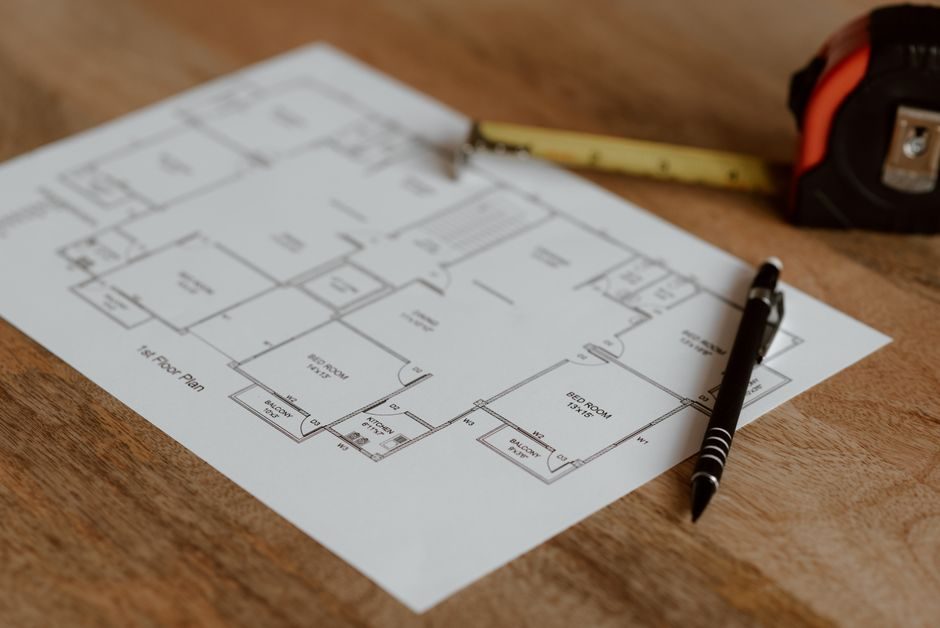
Link the event to a business objective such as lead generation, partnerships, or brand awareness. Clear alignment helps teams justify the promotion budget and measure results. Birkenhead Mail news can be a channel where timely business notices get attention.
Define a simple metric: registrations, inquiries, or scheduled meetings. Using one metric keeps the plan focused and makes reporting easier.
Involve relevant teams early: marketing can craft the message, operations handles logistics, and sales tracks follow-ups. A coordinated plan reduces miscommunication and doubles impact.
- Choose a single primary goal
- Set a simple metric
- Coordinate across teams
- Prepare follow-up workflows
Choosing channels
Evaluate channels by where your target audience spends time in Birkenhead. Professional networks, local media, and community groups each offer different reach and credibility.
Prioritize channels that allow a clear call-to-action and easy registration. Avoid scattered posts across many platforms that confuse readers and dilute impact.
Schedule posts with a lightweight rhythm: a primary announcement, a reminder midweek, and a final call a day before the event.
- Limit to 3 primary channels
- Use a direct CTA
- Keep a posting cadence
- Reserve budget for boosted posts
Options for posting
Free vs paid channels
Free channels work well for early-stage events or tight budgets if you craft a compelling, specific message. They rely on trust and word-of-mouth in the local network. find local businesses in Birkenhead often opens opportunities for cross-promotions or partnerships.
- ☐ Draft core message
- ☐ Choose 2-3 channels
- ☐ Set small budget
- ☐ Review results
Paid channels can boost visibility when a quick turnaround is needed or when the audience is broad. Start with a small budget and test creative variants to learn what resonates.
Balance is key: pair a no-cost post with one targeted paid boost to extend reach without overspending.
- Leverage free listings
- Test paid boosts
- Use consistent messaging
- Measure response
| Method | Pros | Cons |
|---|---|---|
| Free listings | Low cost, quick setup | Limited reach, variable results |
| Paid boosts | Faster reach, measurable impact | Requires budget and testing |
| Partnerships | Credible, extended reach | Dependent on partner willingness |
Leveraging partners
Collaborate with local organizations, chambers, or business groups to co-host or promote the event. Partners can extend reach and add credibility.
Offer a reciprocal promotion: they share your event, and you mention their event or service in return. This builds trust without heavy spend.
Keep partner expectations clear with a simple one-page brief that outlines roles, timing, and branding guidelines.
- Identify relevant partners
- Propose mutual promotions
- Provide clear briefs
- Track co-promotions
Use a consistent format for events across channels to reduce friction for potential attendees.
Where to post your event in practice
Practical posting platforms
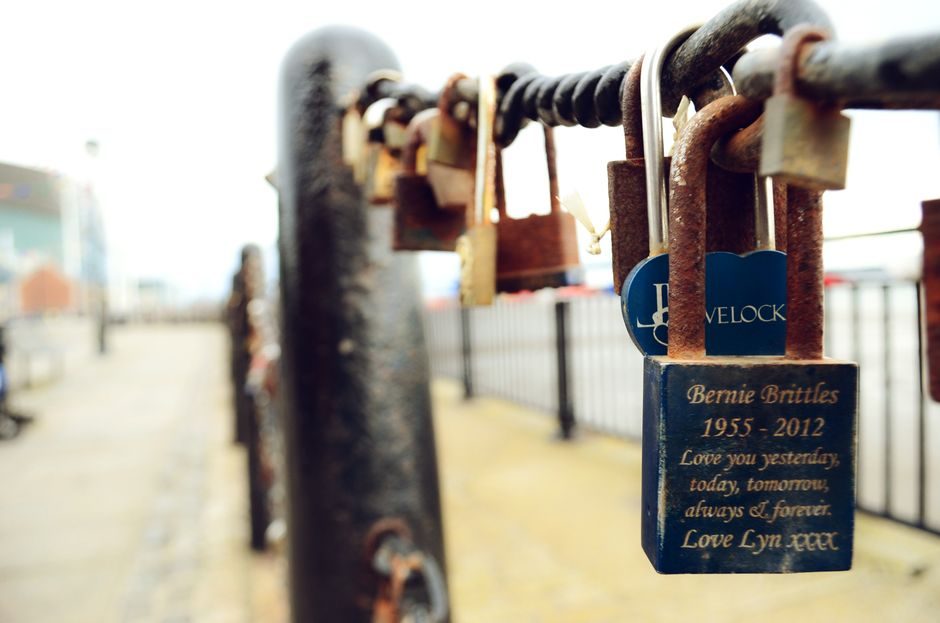
Start with channels that teams know well, like local business networks and community calendars. Choose one or two primary platforms to keep the message focused and avoid confusion. Include a concise date, time, location, and a clear call to action so readers know what to do next. used items for sale in Birkenhead is less relevant to business events but can support local sourcing for venues and materials.
- Identify 2–3 core channels most relevant to your audience and Birkenhead market.
- Develop a single event summary that works across platforms, then tailor short edits per channel.
- Create a brief visual asset and a one-line CTA that matches the event goal.
Use a consistent format for events across channels to reduce friction for potential attendees. Prepare a short description that highlights benefits for attendees, such as networking opportunities or learning outcomes. Prioritize channels that reach industry peers and potential customers in Birkenhead.
Coordinate with a design lead to ensure visuals align with your brand and are legible on mobile devices. A simple banner image and a readable title help capture attention quickly. Test how the post looks on different screens before pushing it live.
Public channels and local media
Local channels to use
Compile a list of community newsletters, chamber of commerce updates, and neighborhood forums that welcome event notices. Prioritize outlets with regular business readers and event sections. A tailored message will perform better than a generic press note. death notices in Birkenhead is a phrase that may appear in local listings, but the guide shows how to craft content that respects sensitive topics while promoting a public event.
- Identify 2–3 local outlets most relevant to your event.
- Draft a concise pitch that includes benefits and a clear contact.
- Offer a short interview or quote to increase chances of coverage.
Reach out with a brief, journalist-friendly pitch that includes who benefits, the timeline, and a contact for follow-up. Don’t assume coverage; offer a quick interview or quote from a team member. This makes the story more tangible for editors.
Track responses and close follow-ups within a few days of posting to maximize attendance. If a platform shows strong engagement, consider a repeat reminder or a short follow-up post. Maintain a single, consistent point of contact for media questions.
- Local chamber email list
- Neighborhood newsletters
- Industry association notices
- Community radio or podcast calendars
- City business portal
Measuring success in Birkenhead

How to track impact
Set a clear attendance goal aligned with the event’s purpose, like a target number of attendees or signups from Birkenhead businesses. Use simple tracking tools to monitor who comes from which channel. The insights will guide your next event and budget.
Collect qualitative feedback from attendees to understand perceived value, not just counts. Ask what they learned and what would improve the experience. This helps refine future topics and speakers.
Review post-event metrics within 48 hours to act while the event is fresh in participants’ minds. Note which channels produced the best turnout and which messages resonated. Apply those lessons to future invitations.
- Attendance numbers by channel
- Qualitative attendee feedback
- Follow-up engagement rates
- Future topic relevance
- Budget impact assessment
Common mistakes to avoid
Common missteps and fixes
Rushing the posting process leads to typos, faded dates, or missing locations. Take a few extra minutes to double-check details and get a second pair of eyes on the copy. A calm, accurate post earns trust and reduces questions.
Overloading posts with technical jargon or long paragraphs scatters attention. Use a plain, direct description with a single value proposition for Birkenhead readers. This keeps the purpose clear and invites action.
Neglecting follow-up can quietly kill momentum. Plan a brief reminder, a last-call message, and a simple RSVP check to keep interest alive without becoming spammy. Consistency matters more than frequency.
- Typos or missing venue details
- Too much jargon without practical benefits
- No follow-up communications
- Inconsistent branding across channels
- Ignoring feedback from early posts
Frequently asked questions
Who should post events targeted at Birkenhead professionals?Teams should designate a communications lead who understands the audience and the event’s value. The person coordinates timing, copy, visuals, and follow-ups to ensure consistency across channels.
Which local channels yield the best visibility?Chambers of commerce, business newsletters, and neighborhood forums often reach active local professionals. Pair these with an industry publication’s events calendar for broader reach.
How quickly should you follow up after posting?Aim to respond to queries within 24 to 48 hours and send a thank-you note to attendees within a day of the event. Timely engagement reinforces interest and credibility.
What if attendance is lower than expected?Review which channels produced the lowest response and adjust the message or timing. Repost with a refreshed headline and a tighter description of the event’s concrete benefits.
Conclusion
Takeaways and next steps: The practical approach to posting events in Birkenhead centers on choosing the right channels, presenting a clear value, and staying consistent. Start with one strong post, then build momentum with quick follow-ups and a simple reminder plan.
Next steps: Formalize a small, repeatable process for your team—assign a post owner, set a posting calendar, and reuse a short copy template. This creates dependable results and less last-minute stress.
Add Business News as a preferred source on Google


