
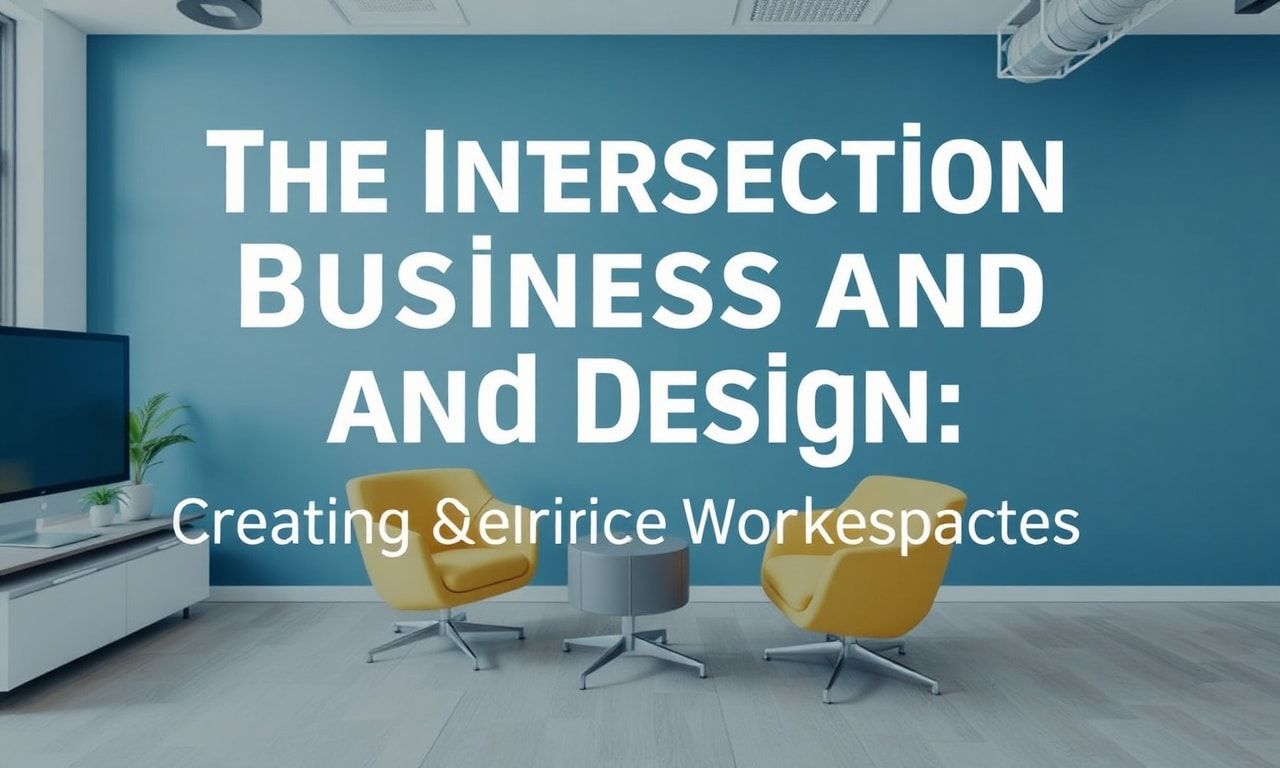
The Power of a Well-Designed Workspace
A well-designed workspace is more than just aesthetics; it’s a strategic tool that can enhance productivity, foster creativity, and boost employee morale. In the competitive world of business, every advantage counts, and the environment in which your team operates can significantly impact your bottom line. This article explores the symbiotic relationship between business success and thoughtful workspace design, offering insights and practical tips for entrepreneurs, startups, and established corporations alike.
The Impact of Workspace Design on Productivity
Numerous studies have shown that a well-designed workspace can significantly improve productivity. Elements such as natural light, ergonomic furniture, and strategic layout can reduce fatigue and increase focus. For instance, incorporating plants and natural elements can reduce stress and enhance well-being, leading to a more productive workforce. Moreover, a clutter-free and organized space can minimize distractions, allowing employees to concentrate better on their tasks.
When designing your workspace, consider the specific needs of your team. For example, open-plan offices can foster collaboration, while private spaces can provide the quietude needed for deep work. Striking the right balance is crucial. Additionally, investing in quality furniture and decor can make a substantial difference. For those looking to enhance their office interiors, exploring options like ev dekorasyonu yapmak için en iyi ürünler can provide inspiration and high-quality products to create an inspiring environment.
Fostering Creativity and Innovation
Creativity and innovation are the lifeblood of any successful business. A thoughtfully designed workspace can stimulate these qualities by providing a stimulating and inspiring environment. Incorporating art, vibrant colors, and flexible spaces can encourage creative thinking and brainstorming sessions. Additionally, providing areas for relaxation and informal meetings can foster spontaneous interactions that often lead to groundbreaking ideas.
For startups and entrepreneurs, creating a workspace that reflects the company’s culture and values is essential. This can be achieved through the use of branding elements, such as company colors and logos, as well as by incorporating elements that resonate with the team’s interests and passions. For example, a tech startup might include gadgets and futuristic decor, while a creative agency might opt for artistic and eclectic designs.
The Role of Ergonomics in Employee Well-being
Employee well-being is a critical factor in business success. Ergonomic design plays a pivotal role in ensuring that employees are comfortable and healthy, which in turn boosts productivity and reduces absenteeism. Ergonomic chairs, adjustable desks, and proper lighting are just a few examples of how ergonomics can be integrated into the workspace.
Investing in ergonomic solutions is not only beneficial for employees but also for the business as a whole. A healthier workforce means fewer sick days and higher job satisfaction, leading to increased loyalty and retention. Additionally, ergonomic design can enhance the company’s image, demonstrating a commitment to employee well-being and attracting top talent.
Strategic Layout for Enhanced Collaboration
The layout of your workspace can significantly impact collaboration and communication. Open-plan offices have become popular for their ability to foster teamwork and spontaneous interactions. However, it’s essential to balance open spaces with private areas to accommodate different work styles and tasks.
For example, creating designated areas for meetings, brainstorming sessions, and quiet work can help employees transition between different types of tasks seamlessly. Additionally, incorporating technology such as video conferencing and collaboration tools can enhance communication and productivity, especially for remote teams.
Sustainability and Workspace Design
Sustainability is an increasingly important consideration in business and design. Creating an eco-friendly workspace not only benefits the environment but also enhances the company’s reputation and can attract environmentally conscious employees and clients. Incorporating sustainable materials, energy-efficient lighting, and green spaces can make a significant difference.
Moreover, promoting a culture of sustainability within the workplace can inspire employees to adopt eco-friendly practices in their personal lives. This can create a positive feedback loop, reinforcing the company’s commitment to sustainability and fostering a sense of community and shared purpose.
Conclusion
In conclusion, the design of your workspace is a powerful tool that can enhance productivity, foster creativity, and boost employee well-being. By investing in thoughtful design, ergonomic solutions, and strategic layout, businesses can create an environment that supports their goals and values. Whether you’re a startup or an established corporation, prioritizing workspace design can yield significant benefits and contribute to long-term success.
To enhance your business acumen and drive startup success, delve into the essentials of financial management with our guide on mastering financial management principles.
To gain insights into effective leadership and financial strategies, explore our recommended article on sustainable business success.
To gain a unique perspective on driving growth and innovation, explore art’s role in finance and its potential to empower your business strategy.