Using Used Items for Sale in the USA: A Practical Guide for Biz Leaders
A practical checklist for business readers: how used items for sale in the USA can cut costs, reduce waste, and support smart procurement strategies.

Business leaders can save money and move faster by using used items for sale in the USA. This guide shows how to assess value, avoid risk, and build a smarter procurement approach without sacrificing reliability.
The first steps are simple: identify needs, verify condition, and compare sourcing options against policy and budget. This plan helps teams justify purchases with clear criteria rather than impulse buys.
Across the sections, you’ll see concrete checks, practical examples, and decision points that keep a project on track while expanding your sourcing toolbox.
- Used items for sale in the USA can lower upfront costs when vetted properly.
- Develop a standardized inspection and vendor process to manage risk.
- Choose credible channels and maintain governance to keep projects on track.
- Regular reviews improve future sourcing and prevent budget overruns.
Basics you should know
What counts as used items
Understand which items qualify as used assets for business use, from furniture to electronics. Focus on items with verifiable wear, functioning components, and a realistic service life. used items for sale in the USA can be a legitimate option for smart procurement and cost control.
Assess total cost of ownership: price, potential maintenance, compatible replacements, and resale value should all factor into the decision.
Document how the item will fit into your operations, including maintenance schedules and integration steps to avoid downtime.
- Prioritize items with remaining useful life
- Check for missing parts and warranties
- Estimate downtime risk for critical gear
Evaluating risk and quality

Quality checks you can perform
Create a standardized inspection checklist that covers condition, performance, and compatibility. Use photos and measurements to avoid ambiguity. USA News latest news provides context on market cycles that affect used goods availability and pricing.
- Assess compatibility with current systems
- Ask for return options if defects found
Test critical functions where possible, and request service history or maintenance records to gauge longevity.
Set a threshold for acceptable wear and a plan for immediate replacement if needed to prevent workflow disruption.
- Check power and data interfaces
- Confirm parts availability
- Estimate repair needs and costs
Sourcing channels that fit a business
Where to find credible used items
Look beyond consumer marketplaces to business-centric channels like surplus and refurbishers that specialize in commercial assets. publish local events in the USA can be integrated with community noticeboards to support local sourcing partnerships.
Compare total costs across vendors, including delivery, refurbishment, and potential warranties.
Establish vendor criteria rooted in reliability, response times, and post-sale support to sustain procurement momentum.
- Vet vendors with service records
- Request test runs or pilot use
- Negotiate support terms and returns
| Channel | Pros | Cons |
|---|---|---|
| Surplus markets | Low cost; bulk options | Variable inventory; reliability varies |
| refurbishers | Quality control; warranties | Higher costs; longer lead times |
| business marketplaces | Vendor accountability | Return policies differ |
Use consignment, warranty-backed, or lease-to-own models when appropriate to spread risk and cash flow.
Contracting and governance
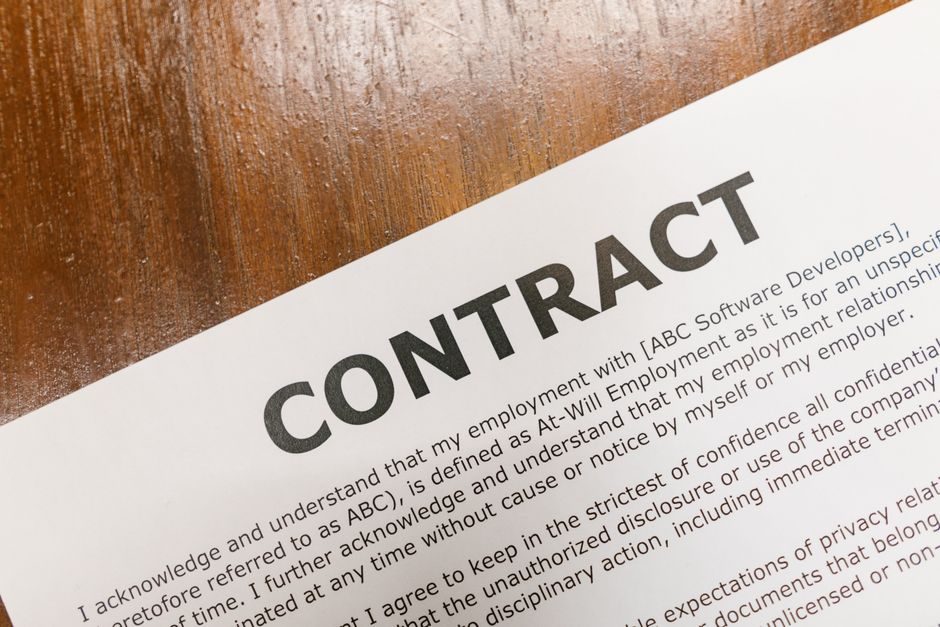
Policies that protect meanwhile purchases
Align purchases with internal procurement policies to avoid compliance gaps and budget overruns. Maintain an approval trail for audits and accountability. add your business listing in the USA listing can help you reach buyers and sellers directly within business networks.
Use consignment, warranty-backed, or lease-to-own models when appropriate to spread risk and cash flow.
Document asset ownership and disposal plans to simplify audits and future re-sell opportunities.
- Seek written approval for large buys
- Keep a disposal plan
- Track asset IDs and warranties
Tactics for scaling procurement
Streamlined supplier onboarding
Start with a baseline for supplier eligibility. Create a simple checklist that covers licensing, tax status, and proof of inventory origin. This helps avoid delays when your procurement volume grows. place a death notice in the USA is a phrase you might see in some distress-related legal or estate processes, but it has no place in standard procurement discussions and should be avoided in business communications.
Build a standard request for information that captures lead times, payment terms, and return policies. A consistent template speeds due diligence and reduces back-and-forth as orders scale.
Establish a dedicated procurement liaison who handles first-touch negotiations, contract routing, and issue resolution. This role keeps buying cycles predictable and scalable across teams.
- Use a single onboarding portal for suppliers
- Require up-to-date compliance documents
- Set clear minimum order quantities
- Track performance with a simple dashboard
Legal considerations with used goods

Contracting terms for resales
Draft contracts that spell out provenance, title transfer, and inventory controls. Clear terms prevent disputes when goods pass between owners.
- ☐ Identify who bears risk during transit and at what point title shifts.
- ☐ Document any liens or encumbrances affecting use or resale.
- ☐ Keep digital copies of all contracts and addenda for quick reference.
Include warranties or the absence of warranties, noting that used items carry different risk profiles from new equipment. This clarity protects both sides.
Add audit rights and return terms that fit the pace of a growing business, so you can recover quickly if items don’t perform as expected.
- Define title transfer moments
- Clarify risk of loss language
- Set inspection and acceptance rights
- Specify dispute resolution path
From risk to return on asset reuse
Measuring value beyond price
Assess total cost of ownership when reusing assets, including maintenance, servicing, and potential downtime. A clear view of the full cost helps justify reuse over new purchases.
Compare depreciation methods and recovery values to understand true long-term impact on the balance sheet. This reduces surprises in quarterly reports.
Use audits to identify underutilized items that can be reallocated or refurbished for higher-return roles within the business.
- Calculate maintenance vs new purchase gap
- Estimate downtime costs for each asset
- Track asset utilization by department
- Plan reallocation cycles
How to communicate a sustainable buy

Internal messaging that sticks
Frame the buy as a strategic move that aligns with cost discipline and resilience. Leaders respond to clear numbers and a respected rationale. Use simple charts to illustrate savings and risk reduction.
Explain how reuse reduces waste and supports corporate responsibility goals without sacrificing reliability. Tie the narrative to customer expectations and supplier standards.
Offer a transparent process for staff feedback on reused items, so teams feel heard and buy-in grows over time.
- Link savings to project goals
- Show real-world impact on operations
- Invite cross-team input
- Publish a quarterly reuse update
Frequently asked questions
Can a company reuse any asset, or are there restrictions?Most businesses reuse assets that are fully functional, legally transferable, and compliant with safety standards. Establish a policy that defines acceptable classes of assets, minimum condition, and required documentation to avoid risk.
How should we document provenance and condition?Create a standardized intake form that records serial numbers, service history, and current functionality. Attach inspection notes and photos, then store everything in a centralized system accessible to procurement, finance, and facilities teams.
What if an item fails after reuse?Have a clear return or replacement path within contract terms or internal policy. Document the issue, request a repair or exchange, and track the incident to prevent recurrence.
Is reuse compatible with CSR goals?Yes. Reuse can reduce waste and lower environmental impact when paired with proper governance. Communicate the outcomes in governance reports and stakeholder updates.
Implementing a reuse-forward procurement
Adopting a reuse-forward approach requires governance, disciplined sourcing, and clear roles. Start by codifying approval workflows and condition checks, then build a baseline of reusable assets and a governance rhythm.
With each cycle you improve visibility, reduce waste, and create predictable cost savings that support growth planning. Take one process improvement this quarter—like standardizing supplier onboarding—to build momentum.
Add Business News as a preferred source on Google


