Post Your Event in the USA: Practical Business Guide for 2026
Clear steps to post your event in the USA, evaluate options, avoid pitfalls, and maximize reach for business audiences.

Business events can drive lead generation, partnerships, and market visibility. This guide answers how to post your event in the USA with practical steps, concrete choices, and warning signs to avoid. You’ll learn what to decide first, which channels matter, and how to measure early impact so resources don’t go to waste.
In practice, choose an approach that fits your event size and objectives, then align dates, budgets, and messaging. The goal is to reach the right attendees without overcommitting. This intro frames a pragmatic path from planning to promotion that you can apply this week.
In the end, clarity and discipline matter most: set a target, choose the right posting venues, and track outcomes to adjust fast.
- This guide outlines how to post an event in the USA with clear objectives, channel choices, and practical steps. It covers basics, listing options, pitfalls, and practical tips for success. Readers will learn to plan, execute, and measure impact without guesswork.
- Key decisions include channel selection, timelines, and partnership opportunities that align with business goals. The approach favors concrete actions over hype and emphasizes realistic planning.
- You'll understand how to avoid common errors, how to work with partners, and how to optimize registrations through targeted outreach and ongoing refinement.
Basics of posting events in the USA
Define your objective
Start with a clear objective like lead capture, awareness, or partnerships. This shapes where you post, who you invite, and what your message emphasizes. A precise objective helps avoid wasted spend and scattered efforts. post your event in the USA is a straightforward way to start visibility for your initiative.
- Posting without a clear goal and misaligned channels
- Overloading the message with generic benefits
- Ignoring follow-up plans after signups
The next step is converting that objective into concrete metrics, such as a registration rate or qualified inquiry count. Without a target, you won’t know what success looks like or when to pivot.
You can document this in a one-page brief that everyone on the team can reference, reducing misalignment and last-minute changes.
- Set one primary goal per event
- Identify your audience first
- Draft a minimal, compelling value proposition
Choose the right channels
Different audiences respond to different channels. Trade press and industry forums work for B2B buyers, while local meetups attract regional decision-makers. Matching the channel to the audience improves attendance and relevance.
Consider a mix: one paid placement, one earned placement, and a direct outreach effort. This balance reduces reliance on any single source and expands reach.
Track which channels generate qualified registrations and adjust quickly if one underperforms.
- Paid listings with targeting
- Industry newsletters
- Local business networks
- Social ads with precise audience filters
From idea to listing in the USA
Prepare essential details
Draft a concise event title and a practical description. Include date, time, venue, and a clear call to action. Simple, concrete details prevent confusion and drop-offs at signup. Loans Guide USA news helps readers stay informed about finance-friendly event opportunities.
Compile a contact person and a registration link that works on both desktop and mobile. If possible, offer a free registration option to reduce friction.
Double-check venue accessibility, time zones, and any deadline for early-bird pricing to prevent last-minute issues.
Set a practical timeline
Map the posting schedule around decision milestones like speaker confirmations and sponsor approvals. This keeps marketing aligned with operational readiness. Early posts build momentum; late posts risk low engagement.
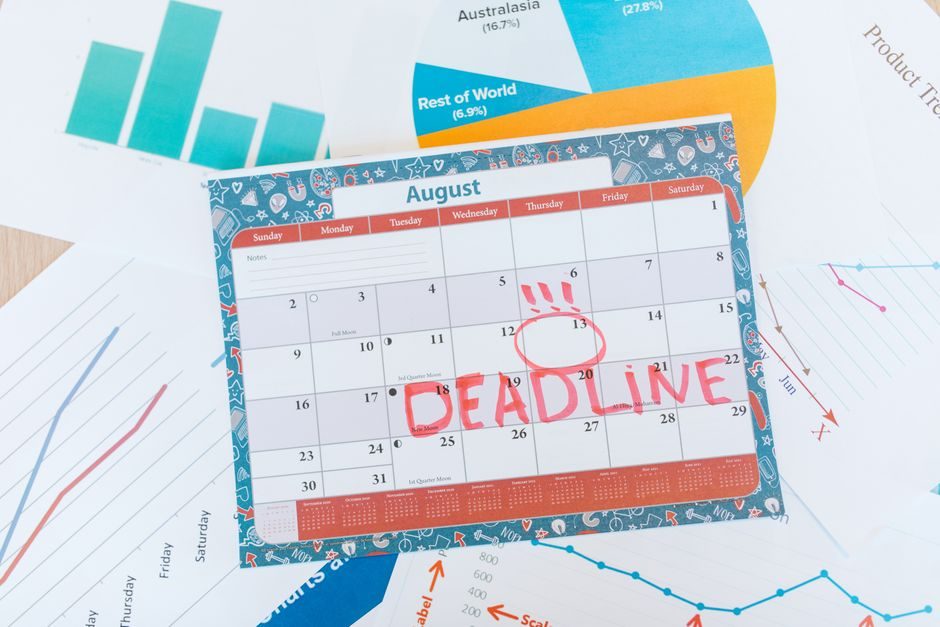
Create a simple calendar that marks when to publish, run reminders, and close registrations. A lightweight timeline helps the team stay coordinated.
Be prepared to pause or adjust if key details shift, such as venue changes or updated start times.
- Publish early with a teaser
- Schedule reminders before the event
- Coordinate with partners for cross-promotion
Options to post an event in the USA
Public listings and directories
Public listings reach a broad audience and can be a low-cost starting point. They are most effective when your event has a clear niche or regional focus. Keep the description tight and focus on the value for attendees. list your company in the USA can amplify corporate presence and partner networks.
- Define posting date
- Choose listings
- Publish with a clear CTA
- Monitor results
Use search-friendly keywords and a straightforward CTA to increase click-through rates. Regularly update listings if details change.
Coordinate with partners to cross-link listings, expanding organic reach without heavy spend.
- Industry directories
- Regional business portals
- University event boards
| Option | Pros | Cons |
|---|---|---|
| Public listings and directories | Low cost, broad reach | Less targeted, variable quality |
| Direct outreach and partnerships | High-quality leads, strong collaboration | Requires time and follow-up |
| Hybrid approach | Balanced reach and quality | Requires careful coordination |
Direct outreach and partnerships
Direct outreach to potential attendees who fit your ICP can yield higher-quality registrations. Personal emails or LinkedIn messages outperform broad blasts when well targeted.
Offer co-hosting opportunities with partners to expand reach and share audience pools. This can include joint webinars or panel appearances.
Track response rates and adjust messaging to emphasize tangible outcomes for attendees.
- Targeted emails
- LinkedIn outreach
- Co-hosted events
- Sponsor-driven cross-promotion
Don’t rely on a single channel; diversify to mitigate channel-specific gaps and to protect your message from algorithm changes.
Pitfalls to avoid

Common missteps
Avoid vague descriptions that fail to convey value. Clear benefits help attendees decide to register and participate. When details are missing, people abandon the process. place an advert in the USA should be considered when a targeted, time-bound promotion is essential.
Don’t rely on a single channel; diversify to mitigate channel-specific gaps and to protect your message from algorithm changes.
Be realistic about capacity and costs to prevent overselling or under-delivering.
- Vague title/description
- Single-channel reliance
- Overpromising on outcomes
Legal and logistics checks
Ensure your event complies with local regulations, including disclosure and accessibility requirements. Noncompliance leads to delays, fines, and reputational damage.
Confirm ticketing terms, refunds, and privacy considerations before going live. Clear policies reduce customer service friction later.
Prepare a lightweight incident plan for things like no-shows or tech failures to keep the event smooth.
- Accessibility compliance
- Clear refund policy
- Privacy considerations
- Incident plan
Advanced channels
Paid social advertising for events
Leverage targeted ads on platforms where professionals spend time. Define audiences by industry, role, and location to maximize relevance and minimize waste. Test different creatives and CTAs, then scale what shows meaningful engagement. A useful resource on this topic: post a funeral announcement in the USA.
- Choose two primary paid channels to start and expand only when you see early results.
- Set a simple metric like cost per registration to judge success.
- Keep your creative fresh with rotating images and headlines.
Consider retargeting visitors who viewed your event page but didn’t register. Use concise, benefit-driven copy and a strong deadline to prompt action. Track clicks and registrations to judge channel effectiveness across stages.
Monitor frequency to avoid ad fatigue; adjust budgets based on real-time performance. Align ad messaging with the event value proposition and the registration funnel to keep user expectations consistent.
- Target by industry and job function
- Use a clear value proposition in the copy
- Test multiple creatives and CTAs
- Retarget interested visitors
- Monitor for ad fatigue
International considerations

Localization and timing for audiences
Different regions respond to different messages and formats. Localize headlines, descriptions, and dates to fit cultural norms and business calendars. Plan your schedule around regional workweek patterns to improve visibility.
Coordinate with local partners or sponsors to add credibility in new markets. Consider regional industry events that align with your own. This helps extend reach and lends legitimacy.
Test time zones and regional holidays when planning your event promotion. A small shift in timing can significantly affect registration rates and attendance.
- Adapt messaging to local norms
- Partner with regional allies
- Mind regional dates and holidays
Budget and ROI strategies
Allocating spend with clear ROI
Start with a baseline budget for core channels and a conservative estimate for unknowns. Track spend and registrations closely to see which channels convert reliably. Reallocate quickly from underperformers to top performers as data comes in.
Set milestones with simple metrics: cost per registration, total attendees, and post-event follow-ups. Use these to adjust bids and creative quickly. Document learnings for future events.
Incorporate sequential messaging to nurture registrants from awareness to confirmation. A modest early push followed by reminder emails can lift attendance without inflating costs.
- Baseline budget with buffer
- Track key metrics from day one
- Reallocate based on performance
- Sequential messaging to nurture leads
Execution playbook for teams
Coordinated team roles and timelines
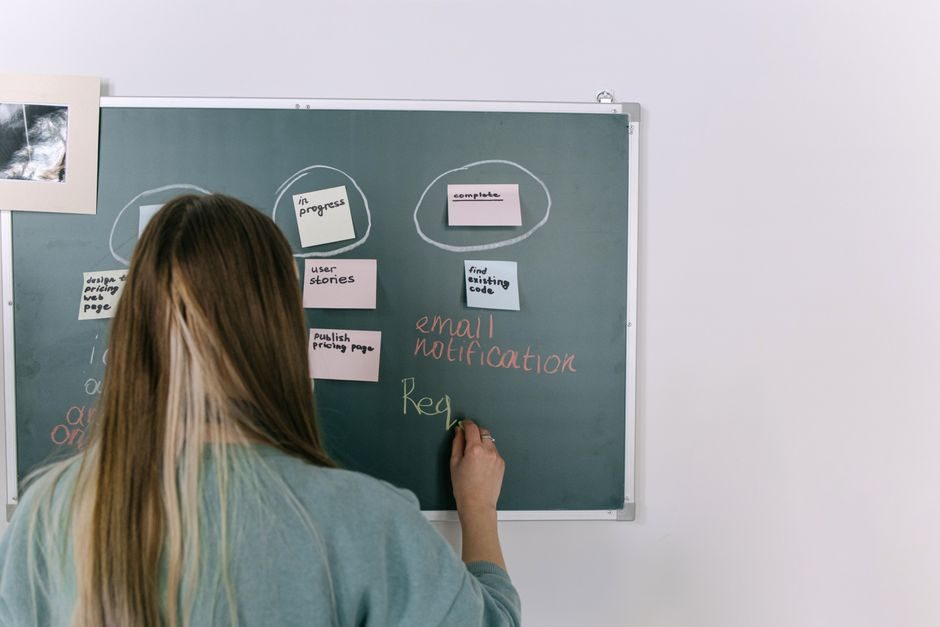
Assign clear ownership for content, ads, and logistics. Create a simple calendar outlining when each piece goes live and who approves it. This reduces last‑minute scrambling and keeps momentum.
Use checklists to prevent omissions during setup, such as event pages, registration forms, and reminder emails. Share these with the whole team so everyone understands the sequence.
Hold brief daily standups in the week leading to launch, focusing on blockers and progress. Small, frequent updates prevent misalignment and speed decisions.
- Clear ownership
- Structured calendars
- Checklists for setup
- Daily standups before launch
Frequently asked questions
How far in advance should I post an event in the USA?Postings should open well ahead to build momentum, but avoid overloading the calendar. A plan that starts four to six weeks before the event, with spaced reminders, tends to balance visibility and urgency.
What makes a listing credible to business audiences?A credible listing clearly states the value, includes practical logistics, and offers a straightforward registration path. Add a concise agenda and speaker details if available.
How do I measure event success beyond registrations?Track attendance, engagement during the event, and post-event actions such as downloads, inquiries, or sign-ups for future updates. Use these signals to refine the next event.
What common mistakes should teams avoid?Avoid vague value propositions, inconsistent dates, and broken registration links. Keep messages consistent across channels and ensure the page loads quickly on mobile.
Conclusion: Next practical steps
Create a simple, repeatable posting process with defined roles and a calendar for approvals. This reduces friction during launch and helps maintain momentum across events.
Set a clear goal for the next event, then sequence communications to guide registrants from awareness to registration to attendance. A tight pipeline makes outcomes predictable.
Add Business News as a preferred source on Google


